Structural Bases Built for Stability
Concrete Slabs in Rock Hill for new construction, garages, sheds, and home additions requiring reliable support
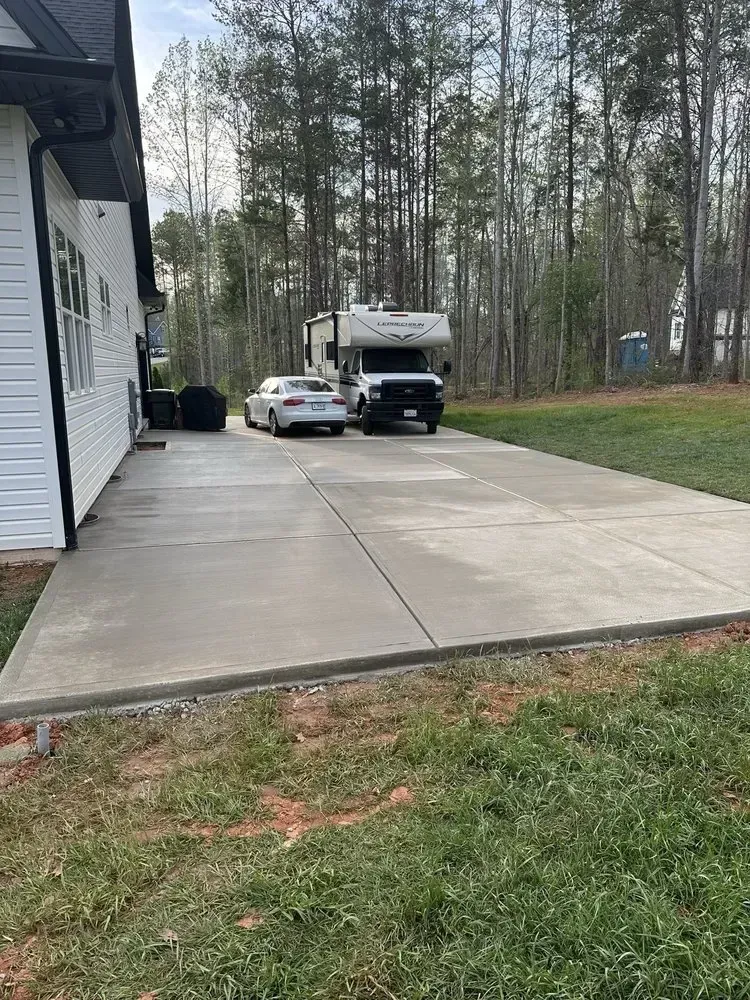
Every structure needs a stable base, and in Rock Hill’s clay-heavy soil, that means proper site preparation, grading, and reinforcement before the first pour. GW Brockelbank Concrete Contractors installs concrete slabs for residential and light commercial projects, providing reliable support for garages, storage buildings, patios, and room additions. The work includes excavation, subgrade compaction, installation of rebar or mesh reinforcement, and pouring concrete to meet structural requirements for long-term durability. Each slab is built to support the intended load and resist movement from soil expansion and contraction.
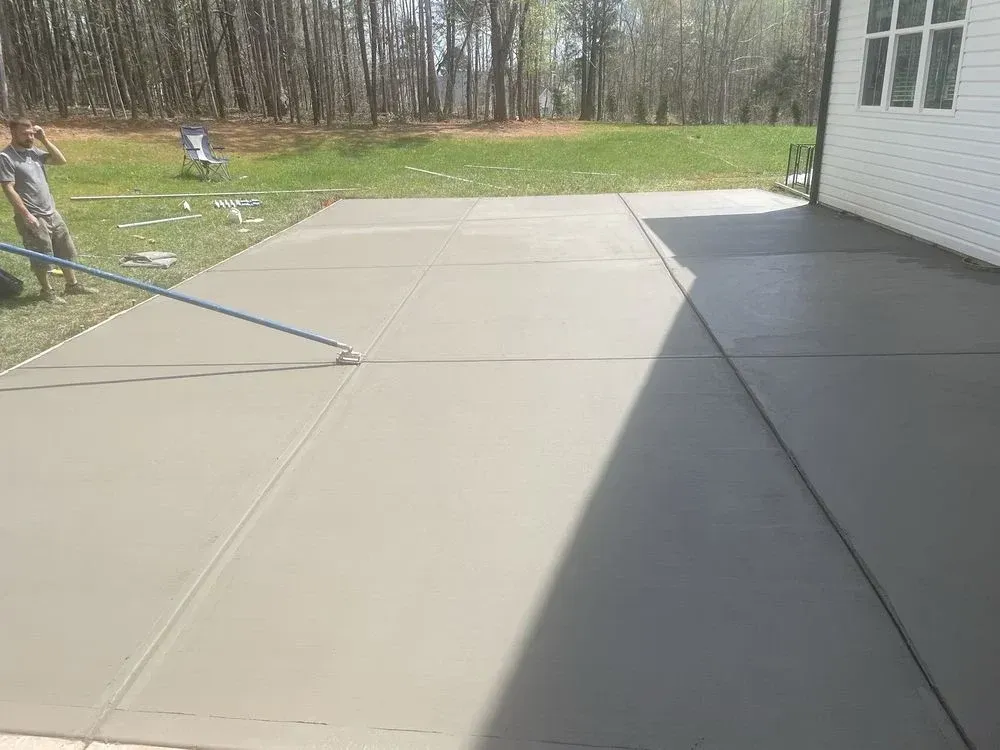
Site preparation determines long-term performance—loose soil is removed, the area is graded for proper drainage, and the base is compacted to eliminate voids that cause settling. Reinforcement is installed based on the project requirements, followed by a carefully placed and finished concrete pour. The slab is leveled and cured under controlled conditions to minimize cracking and ensure strength.
Arrange a project consultation to review slab requirements and receive a detailed estimate for your project.
Why Foundation Work Requires Precision
Foundation and slab installations follow specific thickness and reinforcement standards based on the structure's weight and the soil's load-bearing capacity. Monolithic slabs combine the footing and floor into a single pour, which works well for garages and sheds, while separate footings and slabs are used for homes and additions where deeper support is needed. Vapor barriers are placed beneath the slab to prevent moisture migration from the soil, and control joints are cut after the pour to manage cracking along planned lines.
Once the slab cures, you'll have a level, stable surface ready for framing and construction, with no settling or shifting that causes cracks in walls or floors later. The foundation supports the structure evenly, and proper grading directs water away from the slab to prevent erosion or undermining. Control joints remain tight, and the vapor barrier keeps moisture from wicking up into the building materials above.
The service includes site evaluation, excavation, grading, compaction, installation of vapor barriers and reinforcement, pouring, and finishing, but does not cover utility trenching, plumbing rough-ins, or framing. If the project requires engineered plans or permits, those are handled separately, and the slab is poured to match the approved specifications.
Foundation projects raise specific questions about process, timing, and site conditions that affect the outcome.
What People Ask Before Starting
What's the difference between a monolithic slab and a footing-and-slab design?
A monolithic slab pours the footing and floor together in one step, which saves time and works well for lighter structures, while separate footings provide deeper support for homes and additions that carry heavier loads.
How does clay soil in Rock Hill affect foundation stability?
Clay expands when wet and shrinks when dry, so proper compaction and grading are critical to prevent movement, and thicker edges or deeper footings help the slab resist shifting as the soil changes volume.
Why is a vapor barrier necessary under the slab?
The barrier blocks moisture from migrating up through the concrete, which prevents mold growth, flooring damage, and humidity problems inside the building, especially in areas with high water tables or clay soils.
What thickness is standard for garage and shed slabs?
Most garage slabs are poured at four to six inches thick, depending on vehicle weight and soil conditions, with reinforcement placed mid-depth to distribute loads and prevent cracking under concentrated pressure.
When can construction begin after the slab is poured?
Light foot traffic is safe after a few days, but framing and heavy loads should wait at least seven days to allow sufficient curing, with full strength developing over the following weeks as the concrete continues to harden.
GW Brockelbank Concrete Contractors handles foundation and slab projects with attention to site-specific conditions and structural requirements, from initial grading through final finishing. Call (704) 605-3709 to discuss your building project and schedule a site evaluation for accurate planning and pricing.