Floors Designed for Heavy Use and Maintenance
Concrete Flooring in Rock Hill for garages, basements, and commercial spaces requiring durable, easy-to-clean surfaces
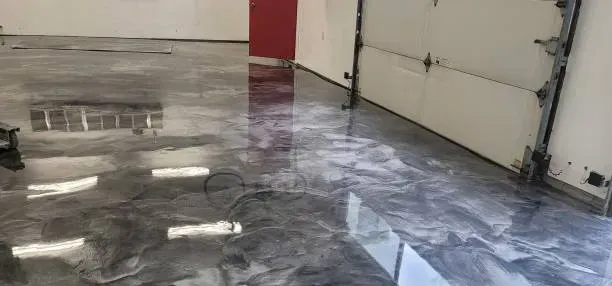
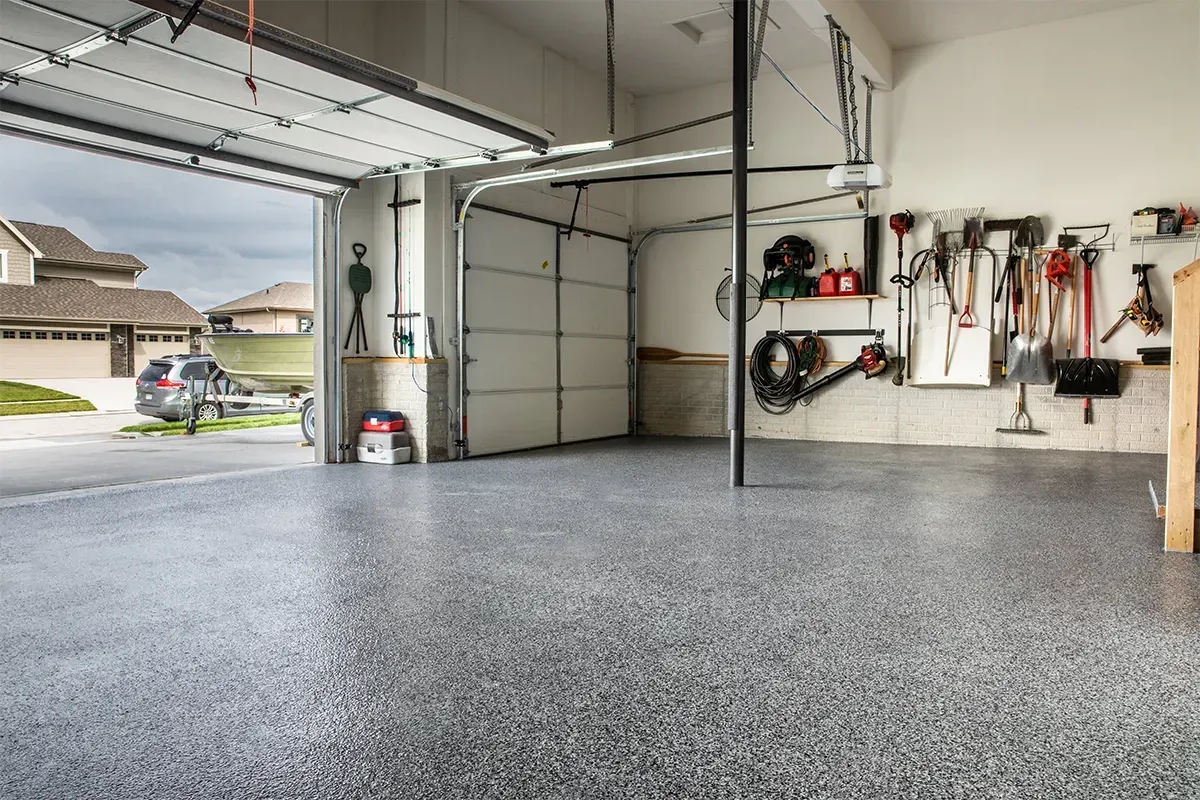
Interior concrete floors in garages and basements take abuse from vehicle traffic, tools, moisture, and temperature changes, which causes the surface to dust, stain, and wear unevenly. Coating or resurfacing that concrete creates a finished floor that resists oil stains, cleans with simple mopping, and holds up to impacts that would damage other flooring types. GW Brockelbank Concrete Contractors installs concrete coatings and decorative overlays for both residential and commercial applications where performance matters more than aesthetics alone.
The process involves preparing the existing slab by grinding or etching to create a profile the coating can bond to, then applying protective or decorative layers that seal the surface. You end up with a floor that doesn't shed dust, resists chemical spills, and can include color or texture depending on the space's function.
Request a flooring consultation to discuss coating options and preparation requirements for your specific space.
What Proper Concrete Flooring Requires
Successful floor coatings depend on surface preparation more than the coating itself. The concrete must be clean, dry, and profiled correctly—if oil or previous sealers remain, or if the surface is too smooth, coatings won't bond and will eventually peel. Grinding removes contaminants and creates the texture needed for mechanical adhesion.
Once completed, you'll notice the floor no longer produces concrete dust when you sweep, and spills wipe up instead of soaking into the slab. The surface reflects light better than raw concrete, which brightens dim basement or garage spaces. Coatings also make the floor feel less cold underfoot because the sealed surface doesn't draw heat away as quickly as porous concrete.
Different coatings serve different needs—epoxy provides chemical resistance for workshop areas, polyurethane offers UV stability for spaces with windows, and decorative overlays add color or patterns for finished basements. The coating thickness and aggregate content determine slip resistance and durability, with heavier-duty applications using thicker builds and tougher aggregates.
Property owners planning garage or basement upgrades typically want to understand longevity, limitations, and maintenance before committing to floor coatings.
Common Questions About This Service
What's the difference between a concrete coating and a decorative overlay for floors?
Coatings are thin protective layers measured in mils that bond to the existing surface, while overlays are thicker applications that can level minor imperfections and introduce decorative elements like color or texture.
How long do concrete floor coatings last in high-traffic areas like garages?
Quality coatings in residential garages typically perform well for a decade or more with normal vehicle traffic, though areas with heavy equipment, frequent chemical spills, or metal dragging may show wear sooner and benefit from thicker industrial-grade systems.
Can concrete flooring be applied over existing basement floors with moisture issues?
Moisture coming up through the slab will cause most coatings to fail, so GW Brockelbank Concrete Contractors tests for moisture vapor transmission before installation and addresses drainage or vapor barrier issues when readings exceed the coating's tolerance.
What maintenance does a coated concrete floor need?
Regular sweeping and occasional mopping with mild cleaners keeps the surface looking good, and avoiding dragging sharp metal objects prevents scratches that can compromise the coating over time.
How do concrete floors perform during Rock Hill's humid summers in below-grade spaces?
Properly sealed concrete floors prevent moisture from wicking up into basements, which reduces humidity and musty odors, though the space still benefits from dehumidification if the foundation lacks exterior waterproofing.
GW Brockelbank Concrete Contractors evaluates your floor's current condition, tests for moisture if needed, and recommends coating systems based on how you use the space and what performance you expect. Schedule an assessment to review options and receive a project estimate.