Concrete Driveways in Rock Hill for cracked, uneven, or aging surfaces
Driveway Services in Rock Hill for improved durability, drainage, and everyday use
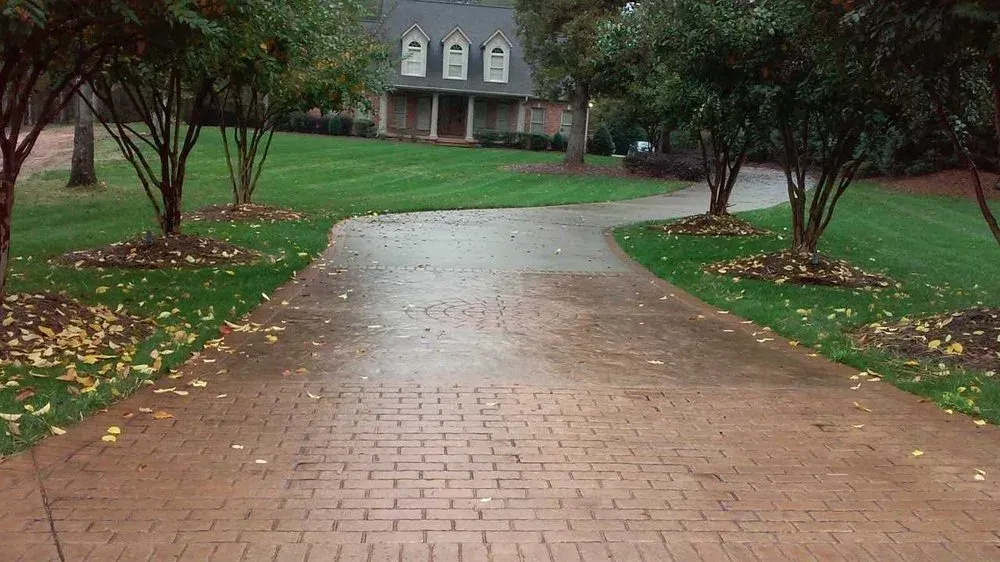
A cracked or settling driveway creates drainage problems, trip hazards, and poor curb appeal, especially after years of temperature changes and vehicle weight. GW Brockelbank Concrete Contractors provides driveway repair services across Rock Hill, addressing damage before it leads to full replacement. Once repairs are completed and the surface is properly leveled, water flows away from the home, the driveway supports daily traffic safely, and the property regains a clean, maintained appearance.
Repair work includes cleaning and sealing cracks to prevent water intrusion, leveling sunken sections to restore proper grading, and reinforcing weak areas to stop further deterioration. Control joints may be re-established where needed to help manage future cracking as the concrete expands and contracts. Each repair is tailored to the condition of the slab and underlying soil.
Arrange an on-site evaluation to assess your driveway condition and receive a detailed repair estimate.
How Driveway Concrete Handles Traffic and Weather
Concrete driveways are designed with enough thickness and reinforcement to handle vehicle loads and resist cracking, but over time, stress, soil movement, and weather exposure can still lead to damage. Cracks form when that stress exceeds what the slab can handle, and voids beneath the surface can cause sections to settle or shift. Control joints are intended to direct cracking, but when they fail or are absent, damage can spread unpredictably.
Repair work addresses these issues by stabilizing the underlying support and restoring the surface. Cracks are cleaned and sealed to prevent water intrusion, sunken areas are lifted and leveled to eliminate voids, and weakened sections are reinforced to reduce further deterioration. Existing control joints may be redefined or improved to better manage future movement.
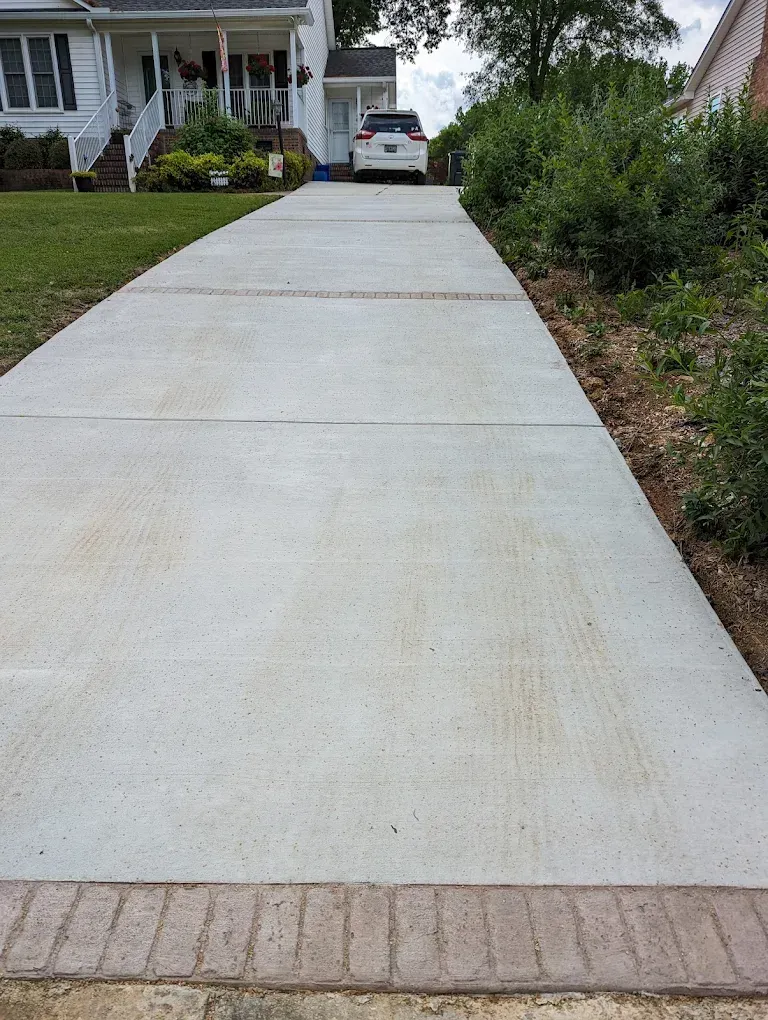
After repairs, the driveway surface is level again, reducing pooling water and eliminating bumps or dips. The slab handles daily vehicle use more effectively, and repaired areas blend into the existing concrete without creating new hazards.
Repair services focus on extending the life of the current driveway and correcting problem areas, rather than removing and replacing the entire surface.
Property owners planning driveway work often ask these questions before scheduling installation.
Answers to Frequent Driveway Questions
How thick does a residential driveway need to be?
Most residential driveways are poured at four inches thick, with six inches used in areas with heavy vehicles or poor soil conditions, and the thickness is adjusted based on the specific site evaluation.
What causes driveways to crack even when new?
Concrete naturally shrinks as it cures, so control joints are cut to manage where those cracks occur, directing them along planned lines rather than random paths that create structural problems.
When can vehicles drive on a new driveway?
Light foot traffic is safe after 24 to 48 hours, but vehicles should stay off the surface for at least seven days to allow sufficient curing, with full strength developing over the following weeks.
Why do some driveways settle or sink over time?
Poor compaction of the subgrade or erosion from water flowing underneath the slab causes voids that allow the concrete to drop, which is why proper grading and base prep are critical during installation.
How does Rock Hill's clay soil affect driveway performance?
Clay expands when wet and contracts when dry, so proper subgrade compaction and adequate thickness help the slab resist movement, and grading must direct water away to prevent soil saturation under the concrete.
GW Brockelbank Concrete Contractors removes old concrete, grades the site correctly, and installs driveways built to handle local soil and weather conditions. Contact the team to schedule a site visit and obtain a project quote based on your property's specific layout.