
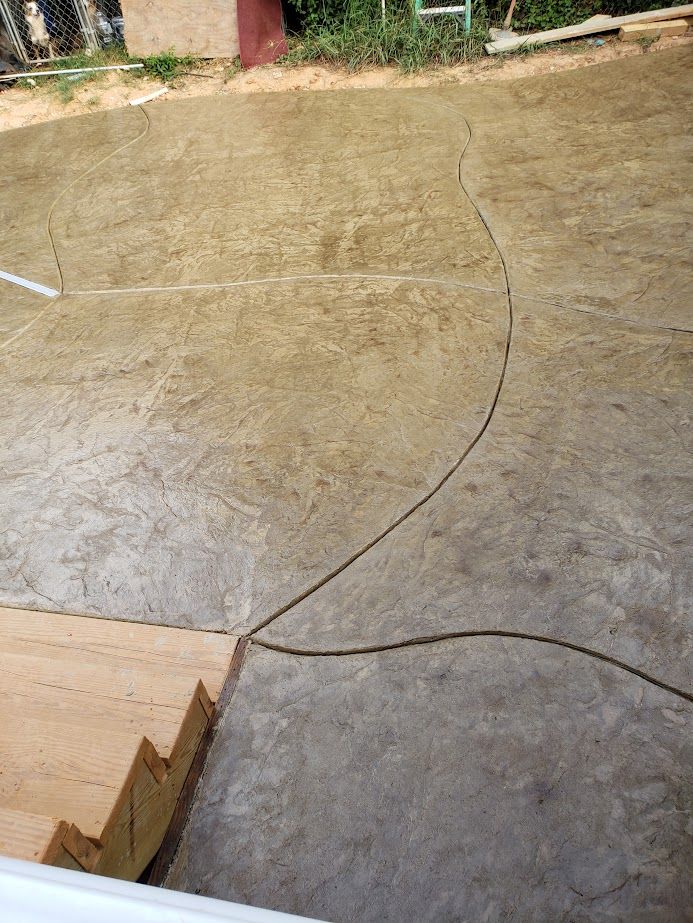
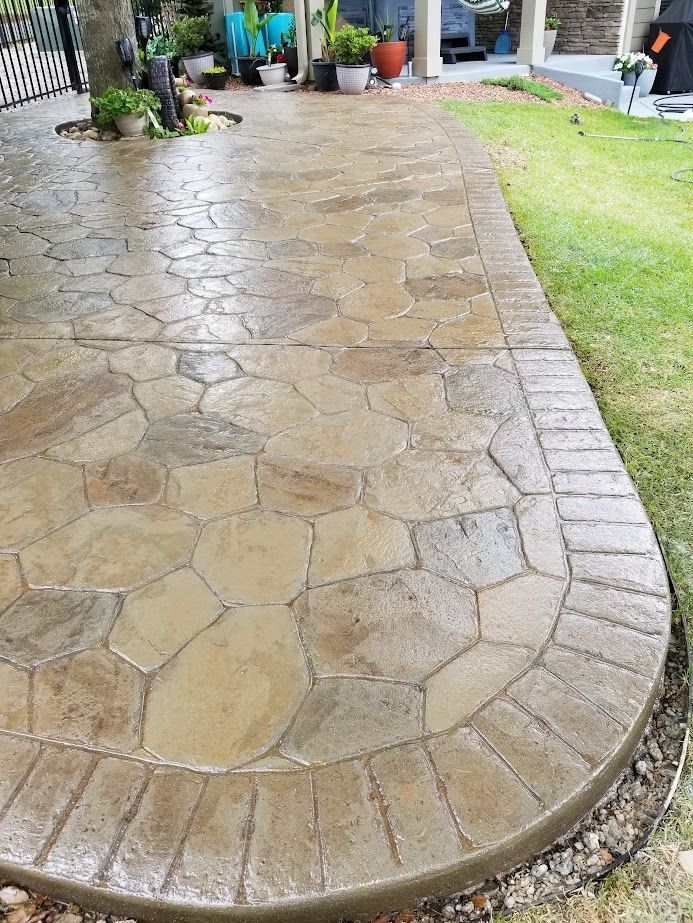
Preservation That Extends Surface Lifespan
Concrete Sealing and Protection in Rock Hill for driveways, patios, and decorative surfaces exposed to weather and use
Unsealed concrete absorbs water, which carries dissolved salts, minerals, and chemicals into the pores where they cause internal damage—freeze-thaw cycles crack the surface as trapped water expands, and stains from oil, rust, or organic matter become permanent. Sealing creates a protective barrier that repels moisture and contaminants while allowing the concrete to release internal vapor, which prevents the film failures you see with non-breathable coatings. GW Brockelbank Concrete Contractors applies professional-grade sealers that preserve both plain and decorative concrete, particularly stamped or stained surfaces where appearance matters as much as function.
The sealing process involves cleaning the concrete to remove dirt and efflorescence, allowing it to dry completely, then applying penetrating or film-forming sealers depending on the surface type and exposure. You protect your investment in new concrete or restore protection to older surfaces that have never been sealed or whose previous sealer has worn away.
Schedule sealing services after new installations cure or as part of regular maintenance for existing concrete.
What Sealing Prevents Over Time
Concrete sealers work by either penetrating the surface to block pores chemically or forming a film on top that repels liquids. Penetrating sealers allow the concrete to breathe and look natural, while film-forming sealers add sheen and bring out color in decorative finishes. Both types reduce water absorption, which is the primary cause of long-term concrete deterioration in climates with temperature swings.
After sealing, water beads on the surface instead of soaking in, and spills wipe up before they can stain. Colors in stamped or stained concrete stay vibrant instead of fading from UV exposure, and the surface resists the white powdery efflorescence that appears when minerals leach out of unsealed concrete. You'll also notice the surface is easier to clean because dirt doesn't embed in the pores.
Sealers wear down from traffic, UV exposure, and weather, so they require reapplication every few years depending on the product used and the surface's exposure. Driveways need resealing more often than patios because of vehicle traffic, and decorative surfaces benefit from more frequent maintenance to preserve appearance alongside protection.
Questions about sealing typically focus on timing, product selection, and how often the process needs repeating to maintain protection.
What Property Owners Usually Ask
How soon after pouring new concrete can sealer be applied?
New concrete must cure for at least 28 days before sealing so that internal moisture can escape—sealing too early traps water inside, which leads to surface discoloration and premature sealer failure.
What's the difference between penetrating sealers and film-forming sealers?
Penetrating sealers soak into the concrete and protect from within without changing appearance, while film-forming sealers sit on the surface and add gloss or color depth, making them better for decorative concrete where visual impact matters.
How often does concrete sealing need to be redone?
Most driveways and patios need resealing every two to four years depending on traffic and sun exposure, though high-traffic areas or surfaces in full sun may require annual maintenance to keep protection intact.
Can sealing fix existing stains or damage in concrete?
Sealing protects against future damage but doesn't repair existing problems—stains, cracks, and surface scaling need addressing before sealing, or they'll remain visible underneath the protective layer.
How do Rock Hill's seasonal temperature changes affect sealer performance?
Quality sealers handle the region's temperature range without cracking or peeling, but film-forming sealers may wear faster in areas with intense summer sun, which is why GW Brockelbank Concrete Contractors matches sealer type to exposure conditions during consultation.
GW Brockelbank Concrete Contractors evaluates your concrete's age, condition, and use to recommend the right sealer type and maintenance schedule for long-term performance. Set up a sealing appointment to protect your driveway, patio, or decorative concrete before the next weather cycle accelerates wear.